


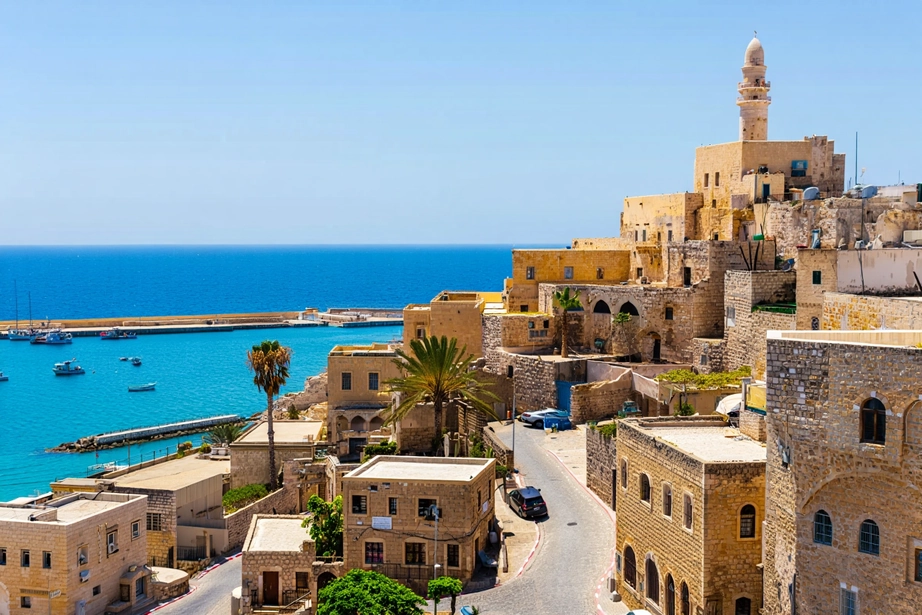
A Bridge Through Millennia: Why Old Jaffa Is the Heart of Historic Tel Aviv
For a traveler stepping for the first time onto the cobblestone lanes of Old Jaffa, it feels like time travel. This ancient port, now part of Tel Aviv, is not just a landmark. It’s a living symbol of historical continuity, a place where the breath of antiquity mingles with the energy of contemporary art and Eastern color. Shato Tours invites you on a journey across millennia, where every stone tells a legend.
⚓ Legends Carved in Stone: From Pharaohs to Napoleon
Jaffa is one of the world’s oldest continuously inhabited port cities. Its story began long before biblical times:
- Depth of ages: Archaeological finds confirm the city’s existence as early as the 15th century BCE, when it was mentioned in the Egyptian chronicles of Pharaoh Thutmose III as “Yu-pa.” Legend has it the Egyptians captured it by trickery, hiding soldiers in “gifts” baskets.
- Biblical pages: It was from Jaffa’s harbor that the prophet Jonah set out on his fateful voyage, trying to flee God’s will (Book of Jonah). Here, too, King Solomon received Lebanese cedar for building the First Temple.
- Ancient myths: The rocks off Jaffa’s shore are linked to the myth of Perseus and Andromeda. Beautiful Andromeda was chained here as a sacrifice to a sea monster until Perseus freed her — Josephus wrote about it.
- Gateway to the Holy Land: For centuries Jaffa was the main maritime gateway for pilgrims heading to Jerusalem. Millions of believers first set foot on the Holy Land through its port.
- Conquerors and heroes: The city saw the armies of Richard the Lionheart (1099) and Napoleon Bonaparte (1799), who stormed its walls. Traces of Napoleon’s campaign can be followed on a special route.
💡 Shato Tours Fun Fact: The name “Jaffa” is linked either to Noah’s son Japheth, who, according to legend, rebuilt the city after the Flood (some say Noah built the ark in these parts), or to the Hebrew word yafè — “beautiful.” The Old City’s main street bears the name Yefet.
🚶♂️ A Walk Through the Ages: Old Jaffa’s Key Treasures
Today, Old Jaffa is a maze of charming lanes where every turn reveals a new page of history or a work of art:
- Jaffa Clock Tower (1902): This majestic city symbol is one of seven towers the Ottoman Turks built in Palestine for the 30th anniversary of Sultan Abdülhamid II’s reign. Its facade is adorned with reliefs telling Jaffa’s story — from ships laden with Lebanese cedar to Simeon the Maccabee. It’s the perfect starting point.
- Abrasha Park Hill & the “Gate of Faith”: From the hilltop you get a sweeping panorama of Tel Aviv and the sea. Here stands the monumental “Gate of Faith” — a white-stone sculpture depicting biblical scenes: the Binding of Isaac, Jacob’s Dream, and the Taking of Jericho. A powerful symbol of the Jewish people’s bond with their land.
- The Suspended Orange Tree: One of the most photographed and enigmatic sights. A tree sculpture in a tub hanging between walls — a symbol of longing for the famed Jaffa orange groves that once brought the city prosperity. Another reading: a metaphor for the Jewish people flourishing far from their roots. Fun note: Jaffa oranges shipped to the USSR inspired Eduard Uspensky’s Cheburashka, who “arrived in a crate of oranges.”
- Zodiac Quarter (Mazalot): Getting lost here is half the joy! Streets are named after the zodiac signs and marked with matching symbols on walls and tiles. Touching your sign is said to bring luck and make wishes come true. The quarter continues onto the “Wishing Bridge” with brass zodiac signs on the railing (don’t touch at noon — the metal gets hot!).
- The Ancient Port: The heart of old Jaffa, operating for some 4,000 years. Today fishing boats and leisure craft moor here. Stroll the old piers, breathe the salty air, imagine Phoenician ships and Crusader galleys. You can also embark on a boat trip along the coast. Nearby lie the Andromeda rocks.
- Flea Market (Shuk HaPishpeshim): Not just a market but a cultural phenomenon and a magnet for treasure hunters. The atmosphere is that of a bustling Eastern bazaar where you can find everything — from antique furniture and old coins to vintage clothing, lamps, and quirky curios. The market’s authentic spirit is strongest in the morning, while evenings transform it as trendy bars and restaurants open in restored buildings and on pedestrianized lanes.
🎨 The Ancient City’s Modern Pulse: Art, Flavors & Atmosphere
Old Jaffa is no frozen museum. It’s a dynamic creative space where past and present harmoniously intertwine:
- Artists’ Realm: The Old City’s lanes are a vast open-air gallery. Dozens of studios and galleries of sculptors, painters, jewelers, and artisans are found here. A must-see is the unusual Ilana Goor Museum in a historic building where the artist lived and worked — both interior and exhibits (her works and a collection of artifacts from around the world) are stunning. Also worth a look: the Farkash Gallery (historical posters) and Frank Meisler’s Sculpture Salon (bronze figures of famous personalities).
- A Gastronomic Journey: Jaffa is a foodie haven, especially for lovers of Arab and Mediterranean cuisine. The legendary Aboulafia bakery by the Clock Tower, open almost around the clock, lures with the aroma of fresh bread and Arabic sweets. Dr. Shakshouka is an iconic spot serving pitch-perfect shakshuka (eggs in tomato sauce) in the ambiance of an old house. In the evening, dive into the vibe of seafood restaurants at the port (like the famous Old Man & The Sea, where a dozen mezze arrive on the house) or the stylish cafés and pubs around the Flea Market.
- A Night in History: Jaffa’s feel changes dramatically after dark. Boutique hotels in restored buildings (for example, Market House in a 19th-century structure, or the luxurious The Setai in the former Ottoman jail by the Clock Tower) let you fully immerse yourself. Soft lighting on ancient stones, restaurant lights, and the market’s nightlife create a magical, almost mystical aura.
🧭 Shato Tours Tips for the Perfect Jaffa Visit
- Footwear matters: Expect lots of walking on uneven cobblestones. Comfortable shoes are a must.
- Time to explore: To feel Jaffa’s spirit, set aside at least half a day. For unhurried museums, market browsing, and dinner, you’ll want a full day.
- Guided vs. self-guided: Wandering on your own is lovely, but a private guided tour (like those by Shato Tours) reveals layers of history, legends, and details easy to miss.
- Shabbat: From Friday evening to Saturday evening, public transport does not run, and many shops and some cafés are closed. Plan your visit for other days or be ready for taxis/on foot.
- Contrasts: Jaffa is a city of contrasts. You may see some semi-abandoned corners next to restored beauties. It’s part of its authenticity and story.
Old Jaffa is more than a historic quarter. It’s the beating heart of Tel Aviv, where every stone is a page in the great book called “Human History.” It’s a place of power, inspiration, and incredible flavors. With Shato Tours, you won’t just see Jaffa — you’ll feel its centuries-old soul, woven from biblical tales, echoes of sea battles, the whispers of port merchants, and the creative energy of today’s makers. Discover a place where time flows differently. Discover Jaffa.