Author name: Alexander

Tel-Aviv, Tel-Aviv

Colorful Neighborhoods of Tel Aviv

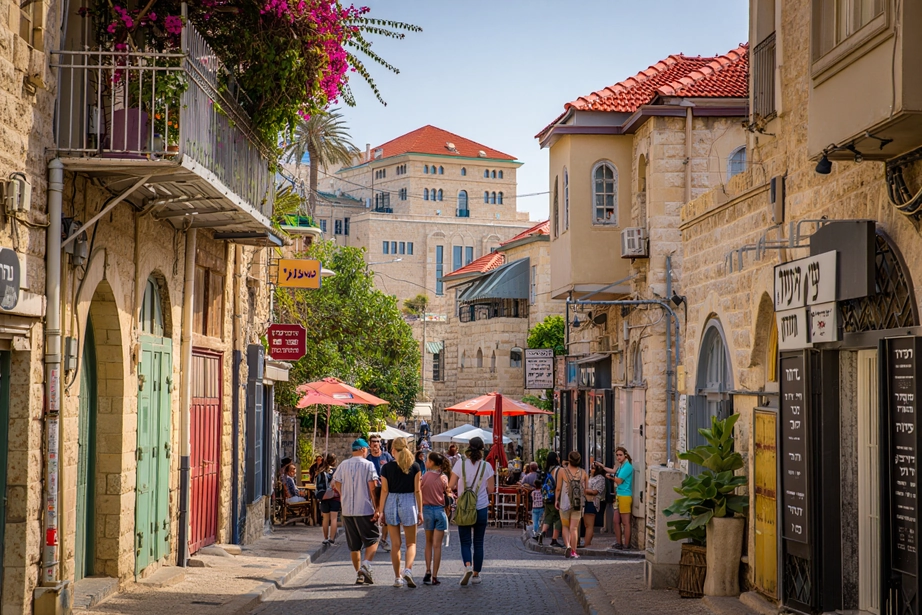
Colorful Neighborhoods of Tel Aviv: A Journey Through the City’s Soul Tel Aviv is a mosaic city where every neighborhood has a unique character. In 2025, tourists fell in love with strolling through its quarters, discovering the contrast between the historic elegance of Neve Tzedek, the rebellious spirit of Florentin, and the business rhythm of the White City. These locations are not just points on a map but living organisms with their own atmosphere, cuisine, and cultural code. 🌇 Neve Tzedek: The Luxury of a “Little Paris” The first Jewish neighborhood outside the walls of Jaffa, founded in 1887, has undergone an astonishing transformation: from the slums of the 1960s to Tel Aviv’s most expensive address. Its pastel houses with blooming balconies, cobblestone lanes, and creative aura evoke Provence or Tuscany. Key points of attraction: 🩰 Suzanne Dellal Center — the epicenter of dance and performance in the former “Alliance” school buildings. 🛍️ Shabazi Street — the neighborhood’s main artery with designer boutiques, galleries, and cafés. Try ice cream at “Anita” or “Golda.” 🖼️ Nahum Gutman Museum — housed in the first Writers’ House, it preserves works by the legendary Israeli artist. 🌿 HaMesila Park — a promenade along the former railway to Jerusalem, Tel Aviv’s take on New York’s High Line. The nickname “Little Paris” came thanks to French expats who opened boutiques and cafés here. Prices match the status: apartments from ₪4M, rentals from ₪10K. Tip: Come to Shabazi on weekday mornings — on weekends it’s packed! 🎨 Florentin: Industrial Bohemia Founded in 1927 by Jews from Thessaloniki, this working-class area east of Neve Tzedek has turned into a hub of alternative culture. Its spirit lies in contrasts: by day the workshops of furniture makers and bakers rumble; by night, Vital Street throbs with bars. What makes Florentin stand out: 🖌️ An open-air graffiti gallery — the neighborhood’s walls are covered with street art. Look for series of whimsical little figures and portraits. ⚡ Vital Street — the nightlife epicenter, where music spills onto the sidewalks until morning. 🎭 Art spaces — galleries like “Under 1000,” “Azul,” and the “Contemporary Art Space” support local creators. ⚒️ Authentic workshops on Wolfson Street (lighting) and Kfar Giladi (jewelry). The neighborhood attracts students and artists with affordable rent. For a safe visit, avoid dark alleys at night and keep an eye on your belongings in crowds. Insight: Shoot the best graffiti straight-on — otherwise the proportions will distort! 💎 Other Neighborhood Gems: From Bauhaus to Luna Park 🏛️ 1. The White City (Lev HaIr) Rothschild Boulevard is the heart of the “White City,” a UNESCO site with 4,000 Bauhaus buildings. By day it’s café business meetings; by evening — palm-lined strolls. Don’t miss: 🎭 Habima Theater 🛒 Shuk HaCarmel (Carmel Market) 🍲 Yemeni eateries on Nahalat Binyamin Street ⛪ 2. The American–German Colony Quiet streets with 19th-century churches and colonial-style mansions. A calm contrast to the city center’s hustle! 🎢 3. The Old North Upscale Ramat Aviv lures with Yarkon Park and cultural institutions. Here you’ll also find Luna Park — Israel’s largest amusement park featuring: 🚂 “Anaconda” — hair-raising roller coasters 🎡 A 50-meter Ferris wheel 🚗 A kids’ driving school with “licenses” 🕌 4. Jaffa & the Yemenite Quarter Ancient Jaffa Port (with biblical roots!) and Kerem HaTeimanim behind Carmel Market — labyrinths filled with hummus joints and craft shops. 📍Takeaway: Your Personalized Tel Aviv Pick a neighborhood to match your mood: 💐 Romance & luxe → Neve Tzedek 🎧 Atmospheric nights out → Florentin 🏛️ Architecture & shopping → Rothschild/Nahalat Binyamin 👨‍👩‍👧 Family time → Old North (Luna Park) ⏳ History & vibrant chaos → Jaffa/Yemenite Quarter Tel Aviv never reveals itself at once. To feel its rhythm, get lost in Neve Tzedek’s lanes at dawn, dine on hummus in Kerem HaTeimanim, and dance until morning on Vital. Each neighborhood is its own planet — and in 2025 their contrasts are brighter than ever.
Tel-Aviv

Parks of Tel-Aviv

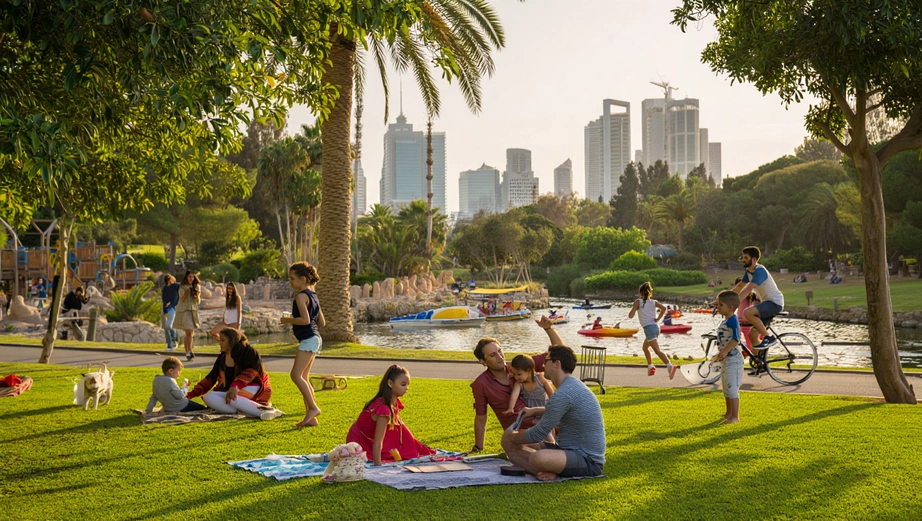
Green Oases of Tel Aviv: Parks and Active Recreation for Tourists | Shato Tours 🌿 Parks and Recreation in Tel Aviv: The City’s Green Lungs Amid the dynamic rhythm of Israel’s capital, Tel Aviv’s parks are a true lifesaver for travelers. These green oases offer not only a break from urban noise but also a wealth of activities for every taste. Thanks to the Mediterranean climate ☀️ you can enjoy nature here year-round! 🌳 Yarkon Park: Tel Aviv’s “Central Park” Stretching along the river of the same name, Yarkon is the largest urban park, harmoniously blending nature with infrastructure for active leisure. 📍 Must-see spots: ✨ Rock Garden with unique geological formations 🌺 Tropical Garden with exotic plants and waterfalls 🦚 Mini-zoo — perfect for families with children 🏞️ Lake complex with waterfowl 🚣 Activities in the park: Kayak and pedal-boat rentals ⛵ Climbing wall for adrenaline seekers 🧗 Cycling paths with varying difficulty 🚴 Sports courts for basketball and soccer ⚽ Outdoor yoga zones 🧘 Open-air concerts 🎶 💡 Visitor tips: Arrive at opening time (8:00) to beat the crowds Rent a bike — the area is huge 🚲 Bring water and light snacks Look for free picnic spots by the water 🚶 Best Walking Routes 🏖️ Seaside Promenades: “From Jaffa to Namal” Route (7 km) — a journey along the Mediterranean Sea through: Historic Jaffa Port with ancient alleyways Alma Beach with cafés right on the sand ☕ Charles Clore Park with pedestrian bridges The modern Tel Aviv Port (Namal) with restaurants and shops 🛍️ 🌇 City Boulevards: Rothschild Boulevard — an “architectural encyclopedia” of Bauhaus shaded by trees Nordau Boulevard — blooming gardens and contemporary art installations 🚴 Yarkon Riverside Path: A 14-kilometer cycling route from the river’s mouth to its springs passing by: Sports complexes Fishing areas 🎣 Bird sanctuaries 📌 Tip: Use the city bikes Tel-O-Fun or e-scooters 🛴 to move between parks. 🌱 Eco-Tourism Near Tel Aviv ♻️ Ariel Sharon Park (Hiriya) A unique example of reclamation: a former municipal landfill transformed into an ecological park with: A viewing platform with a city panorama 🌆 An eco-center with interactive exhibits Walking and cycling paths around treatment ponds Picnic areas on the summit of the “trash” mountain 🏰 Apollonia (National Park) Cliffs above the sea north of the city preserve: Crusader ruins 🏰 Trails along the rocky coastline Sunset lookouts with the best views 🌅 Underwater archaeological parks for divers 🤿 🍅 Agritourism in the Surroundings: Farmers’ markets (Carmel, Namal) with local produce on weekends 🍯 Kibbutz tours — a glimpse into Israel’s rural life Wineries within a 30 km radius of the city 🍇 Citrus groves with tastings 🍊 💚 Why Do Tourists Choose Tel Aviv’s Parks? These green areas offer what you won’t find in guidebooks: A chance to see the “local” Tel Aviv without tourist hustle Free, premium-quality relaxation in nature 🌳 Infrastructure for all ages and interests A unique blend of nature and urban scenery Active leisure without leaving the city 🏃 🎯 Bottom line: Tel Aviv’s parks are not just green spaces but full-fledged venues for relaxation, sports, and discovering Israeli culture. From kayaking on the Yarkon to meditating in the Rock Garden, from cycling along the waterfront to culinary discoveries at farmers’ markets — every traveler will find their ideal way to recharge. Plan your time in the “city that never stops” so you can enjoy both its dynamic energy and its natural harmony! 🌇🌳

Tel-Aviv

Tel Aviv: A City-Canvas of Art, Museums, and Street Creativity

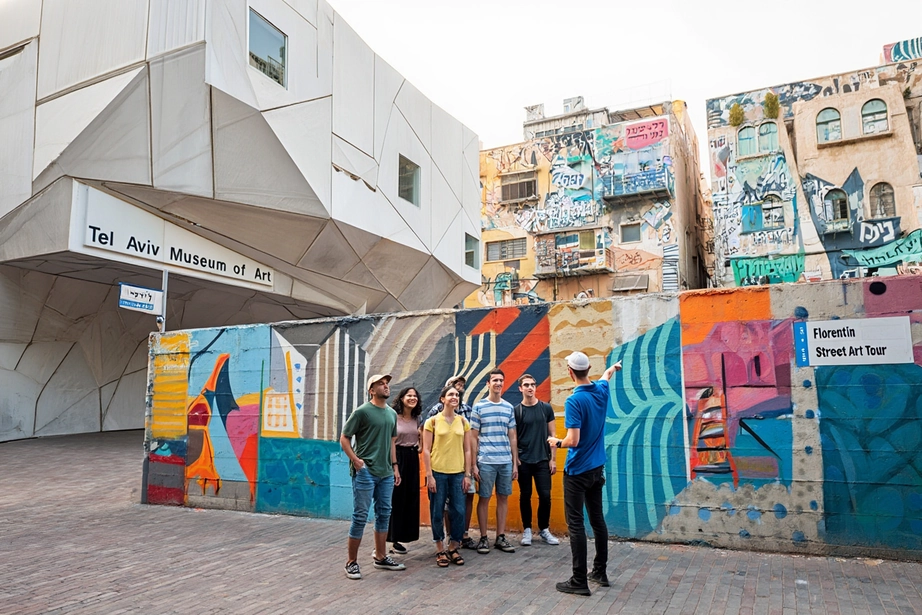
🎨 Tel Aviv: A City-Canvas of Art, Museums, and Street Creativity 🎨 Tel Aviv: A City-Canvas of Art, Museums, and Street Creativity Tel Aviv is a true cultural gem of the Mediterranean, where Israel’s artistic life beats at full strength. This dynamic metropolis attracts travelers with a unique mix of world masterpieces in museums, rebellious street art, and a rich events calendar. Here, art isn’t just exhibited — it lives on the streets, resonates in theaters, and draws every visitor into its colorful world. 🏛️ Museum Encyclopedia: Top 5 Treasuries of Tel Aviv The city prides itself on a concentration of world-class museums where history intertwines with modernity: 1. Tel Aviv Museum of Art (TAM) 📍 The country’s flagship art stronghold. Its collection features works by Monet, Van Gogh, Chagall, Picasso, and Warhol. The rotating exhibitions of global stars and Israeli artists are especially noteworthy. Don’t miss the Sculpture Garden and interactive programs for kids! 2. Eretz Israel Museum (MUZA) 🏺 A journey through millennia on Tel Qasile. Archaeological finds and exhibitions on the history of writing, glass, and coins. On site: a planetarium, ethnographic pavilions, and excavations of an ancient port. 3. ANU — Museum of the Jewish People 🌍 The epicenter of the diaspora’s story. A cutting-edge interactive museum on the Tel Aviv University campus. It tells the tale of the culture, traditions, and contributions of Jewish communities worldwide through multimedia installations and artifacts. 4. The Palmach Museum ✊ A plunge into the history of Israel’s early strike forces. Innovative, immersive exhibits built around fighters’ personal stories. Advance reservations recommended. 5. Ilana Goor Museum 🧩 A labyrinth of imagination in Old Jaffa. The renowned artist’s personal collection: sculpture, design, African art, and antiques housed in an atmospheric 18th-century building. Every corner is an art object! 🖌️ Florentin: An Open-Air Gallery The Florentin neighborhood is the epicenter of street culture, where every wall becomes a canvas. Graffiti here isn’t vandalism but social commentary and part of the city’s identity: 🔥 History of the phenomenon: Street art bloomed in the 2000s as the protest voice of working-class districts. Today it’s legal creativity backed by the municipality. 👨‍🎨 Cult artists: Look for works by Dede, Brother’s Keepers, Klone, and the famous Solomon Souza murals at Carmel Market. 🚶 Art walks: Tours with enthusiast guides (Urban Tours, Graffitim) reveal hidden meanings and the neighborhood’s “power spots.” Routes include graffiti cafés and studios. ✨ Tip: The best pieces are on Florentin, Vital, and HaAliya streets. Peek into courtyards — masterpieces hide there! 🎭 The City’s Pulse: Festivals, Theaters, and Museum Night Tel Aviv’s cultural life never sleeps. The year’s headline events: 🎪 Festivals White Night (June): A citywide night of music, dance, and performance. DocAviv (May): A prestigious documentary film festival at the Cinematheque complex. Contemporary Dance Festival (June–July): Global companies on the stage of the Suzanne Dellal Center in Neve Tzedek. 🏟️ Theater Venues Habima: The national theater with classics and avant-garde in Hebrew (English surtitles). The Israeli Opera: World premieres and masterpieces in a striking modern building. Suzanne Dellal Center: A mecca of contemporary dance and experimental productions. 🌙 Museum Night One of spring’s major events! All museums stay open until midnight with free entry, special tours, concerts, and workshops. Public transport runs late. ✅ How to join: Event listings are on municipal and tourist-center websites. Tickets for shows and festivals are best purchased 1–2 months in advance. Many galleries in Neve Tzedek offer free entry. 👨‍👩‍👧 Art for Everyone: Why It’s Perfect for Travelers Tel Aviv understands art universally: 👶 Families with children will love MUZA’s interactive exhibits, “hunts” for funny graffiti monsters in Florentin, and sculptures in Yarkon Park. 🧑‍🎨 Contemporary-art enthusiasts will discover galleries in the HaAliya industrial zone and the Tzavta Center for contemporary arts. 🧓 Lovers of the classics will dive into the Tel Aviv Museum of Art collections and opera productions. 📸 Instagram travelers will find endless backdrops — from giant murals to the futuristic interiors of ANU. ✨ An Inspiring Finale Tel Aviv has proven that art shouldn’t be locked in halls. It spills across Florentin’s façades, resonates from Habima’s stage, and comes alive during marathon museum nights. This city is a living, breathing art object, where every corner tells a story and every traveler becomes part of its ever-changing canvas. Discover Tel Aviv — where culture doesn’t just exist; it dances in the streets to the rhythm of the Mediterranean!

Tel-Aviv

Markets of Tel-Aviv

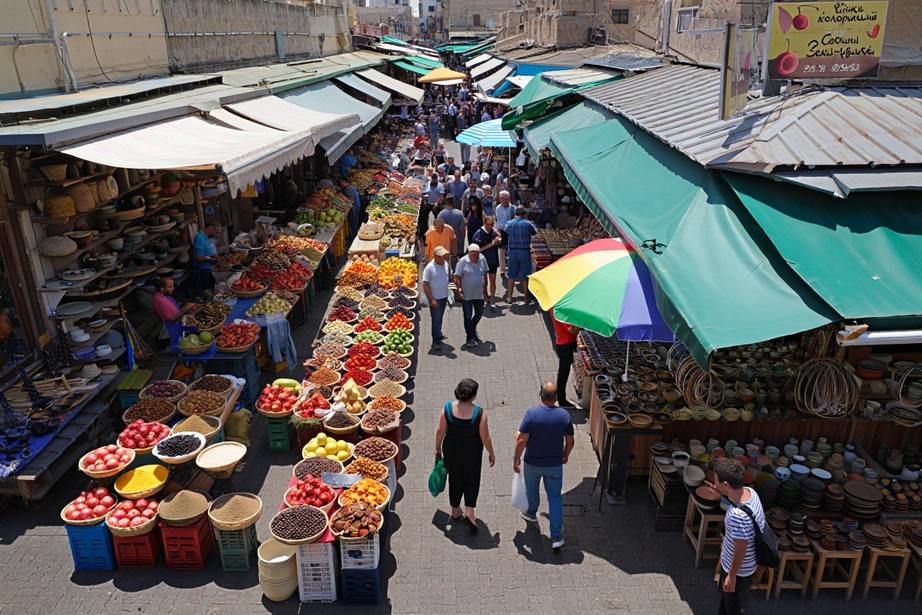
🛍️ Tel Aviv’s Markets: Immersing Yourself in the Color of Israeli Shopping For true travelers, Tel Aviv’s city markets are not just points of sale, but portals into the very soul of Israeli culture. Here, the air is filled with the aromas of Eastern spices, the many-voiced buzz of bargaining, and every stall tells its own story. ✨ Tourists’ interest in markets is easy to explain: they offer a unique chance to feel the local vibe, practice the art of bargaining, and quite literally taste the country through its culinary treasures. 🔥 Shuk HaCarmel: The Heart of Tel Aviv Hustle The central Shuk HaCarmel is the epicenter of city life, where hundreds of stalls create a kaleidoscope of scents and colors. Start your journey with these tips: ⏰ Best Time to Visit Arrive at 8–9 a.m. to avoid crowds and watch vendors lay out the freshest goods. Avoid Fridays — many places close after lunch before Shabbat. 🍋 Top 5 Must-Try Delicacies Freshly squeezed pomegranate juice with mint Crunchy bourekas with cheese or spinach Moroccan spiced olives Handmade halva with pistachios Seasonal fruit: Sharon persimmons or sabra cactus fruit 🗣️ Language hack: Don’t be surprised to hear Russian — many vendors speak it fluently. Haggling isn’t just acceptable; it’s expected! Start by offering 60–70% of the quoted price. 🕰️ Jaffa Flea Market: Treasure Hunting In historic Jaffa, you’ll find a world of vintage magic where every item holds a story. Here’s what to look for: 🔮 Legendary Finds From Turkish copper coffee pots to Israeli vintage posters from the ’60s. Especially prized: Jerusalem ceramic plaques Druze embroidered rugs Silver filigree jewelry ☕ Market Gastro-Oases When your feet need a break, drop into these cult spots: Puaa — a café amid antique-chaos charm Cafe Xoho — a courtyard with live music Abu Hassan — the best hummus in town “On Thursdays after 4:00 p.m., the market turns into an art space with street musicians and impromptu exhibitions — don’t miss the magic!” 🌟 Modern Markets: Where History Meets Gastronomy 🏛️ Sarona: A Gastronomic Temple in Historic Walls On the site of the first 19th-century German colony now stands an upscale food market. Be sure to try: Artisanal cheeses from “Dairy Story” Creative seafood at “Ocean” Desserts by champion pâtissiers at “Miznon” 🎨 Nachalat Binyamin: Creative Fair On Tuesdays and Fridays, the streets turn into a giant art market featuring works by 300+ makers. Look for: Unique jewelry made with Mediterranean coral Eco-friendly hand-painted ceramics Vintage posters with Israeli motifs 🌶️ Levinsky Market: An Eastern Spice Bazaar A kingdom of aromas in the Florentin quarter! Here you’ll find: 25+ varieties of harissa and tahini Turkish sweets flavored with rose water Greek cold-pressed olive oils 💫 Why Explore the Markets with Shato Tours? Our guides are experts in hidden corners and local traditions. We’ll teach you to: Recognize quality products “like a local” Bargain with charismatic vendors Find authentic souvenirs with a story Taste dishes the guidebooks overlook 🛒 Let Tel Aviv’s markets tell you their stories — every purchase becomes a living memory of Israel!

Tel-Aviv

A gastronomic journey through Tel Aviv

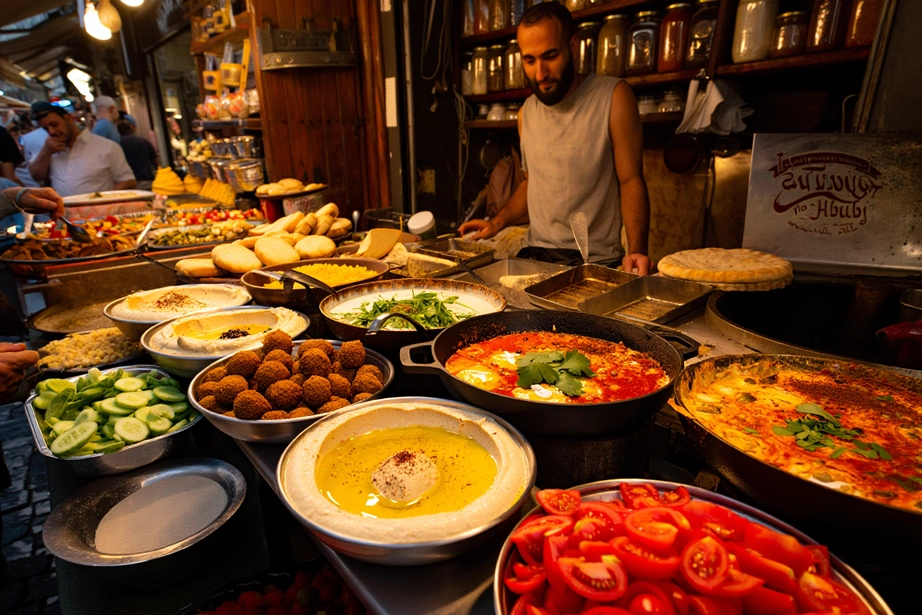
Tel Aviv Gastronomy | Shato Tours 🍴 A Culinary Journey Through Tel Aviv Israel’s Culinary Capital Tel Aviv is not only “the city that never sleeps,” but a true paradise for food lovers. The city blends traditional Middle Eastern cuisine with contemporary global trends, creating a unique gastronomic atmosphere that attracts travelers from all over the world. 🍽️ Why Tel Aviv Is a Foodie’s Dream Tel Aviv’s food scene is a unique mix of tradition and innovation. The city is famous for its Middle Eastern staples: juicy falafel, ultra-fresh hummus, fragrant shakshuka, and other Israeli dishes that have captured the hearts of millions of visitors. At the same time, Tel Aviv sits at the cutting edge of global food trends — it’s no coincidence that the UK’s The Independent dubbed it the vegan capital of the world, noting over 400 vegetarian and vegan restaurants in the city. Locals are obsessed with quality food and coffee, so you’ll find an abundance of farmers’ markets, trendy cafés, and chef-driven restaurants. Travelers of any age appreciate Tel Aviv’s scene for its range: you can eat cheaply at a market or book a table at a restaurant led by a world-class chef. 🌯 Tel Aviv Street Food You can truly feel the city’s soul through its street food. These are the main gastronomic symbols of Tel Aviv: 🥣 Iconic Hummus Joints Hummus is more than food — it’s a cult! The most famous places to try it: 📍 Abu Hassan (Jaffa) — the creamiest hummus with ful and tahini 📍 Shlomo & Doron (city center) — a family recipe since 1937 📍 Hummus HaCarmel (Carmel Market) — the perfect balance of chickpeas and spices 🧆 Falafel & Shawarma No visit to Tel Aviv is complete without these Israeli icons: The best falafel can be found at Hakosem on Shlomo HaMelech Street — the balls are especially crispy on the outside and tender inside. For shawarma, head to Dr. Shakshuka in Jaffa — in addition to its famous shakshuka, they make incredible shawarma in house-made laffa. 🛒 Food Markets Immerse yourself in the city’s culinary vibe at these famous markets: 🌟 Shuk HaCarmel — the best-known market with endless rows of spices, olives, fresh produce, and street food 🌟 Sarona Market — a modern food hall with farmers’ products and gourmet stalls 🌟 Nachalat Binyamin — a pedestrian craft market with a food court 🍷 Best Restaurants & Bars Tel Aviv offers an incredible variety of dining — from traditional eateries to headline-making venues. 🗺️ Gastronomic Areas of the City Neve Tzedek A bohemian quarter with atmospheric restaurants in historic buildings. Don’t miss: 🍴 Messa — fusion cuisine 🍴 Dalida — Mediterranean fare Namal Port A waterfront area with restaurants for every taste and budget: 🍴 Blue Roastery — top seafood 🍴 Tony Vespa — Italian cuisine Dizengoff St. The city’s central artery lined with trendy restaurants and bars: 🍴 OCD — fine-dining restaurant 🍴 Santa Katarina — Mediterranean delicacies 🌱 The Vegan Capital Tel Aviv truly lives up to its vegan-capital reputation. Be sure to visit: 🥗 Anastasia — a beloved vegan café with standout desserts 🥗 Bana — plant-based cooking with a Middle Eastern accent 🥗 Meshek Barzilay — organic farm-to-table cuisine ☕ Coffee Culture & Late-Night Eats Tel Aviv is a city where coffee culture is elevated to an art form, and breakfast is treated as the most important meal. 🥐 Breakfast & Café Culture A traditional Israeli breakfast is a feast: eggs, salads, fresh cheeses, olives, hummus, and freshly squeezed juices. Top breakfast spots: 🍳 Cafe XoHo — famous shakshuka 🍳 Cafe Puaa — bohemian vibes in Jaffa 🍳 Bucke — a modern take on breakfast 💡 Coffee tip: Don’t miss local desserts — malabi (milk pudding with rose water) and knafeh (sweet cheese pastry) are the perfect finish. 🌙 Where to Dine Late at Night Tel Aviv truly never sleeps! After a night out, head to: 🍕 Tony Vespa — a 24-hour pizzeria 🌭 HaKosem — falafel till morning 🍜 Shine — Asian dishes after midnight 🎪 Night Food Market Tradition Every Thursday, a night food market Shuk HaNamal unfolds on Lilienblum Street — sample dishes from top city chefs until midnight, listen to live music, and soak up the unique Tel Aviv night vibe. ✈️ Your Culinary Adventure Awaits! Tel Aviv’s culinary scene is a living, ever-evolving organism where tradition and innovation create a one-of-a-kind gastronomic experience. From street food to haute cuisine, from classic hummus to vegan masterpieces — every gourmand will find something to love in this city. Discover the taste of Tel Aviv with Shato Tours — your guide to the world of Israeli gastronomy!

Tel-Aviv

The City That Never Sleeps

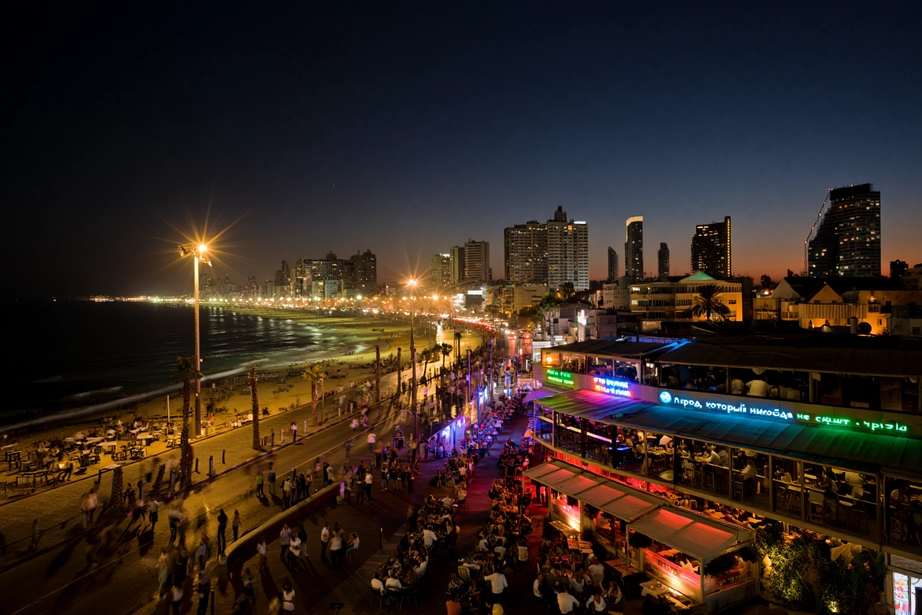
The City That Never Sleeps Tel Aviv rightfully bears the title of “the city that never sleeps.” Its nightlife is a magnet for travelers from around the world, and according to leading guides, the city ranks among the top 10 European destinations for both the quantity and quality of clubs and bars. Here, energy surges from sunset to sunrise: locals go out after 10:00 p.m., and the fun lasts until the first light of day. For visitors, it’s a chance to tap into the pulse of modern Israel — from beach dances to jazz improvisations in basement bars. 🌟 Guide to Legendary Clubs Tel Aviv’s club scene mixes ultra-modern venues with cult spots steeped in history. Must-visit points: Haoman 17 (Florentin): An icon of electronic music. Top global DJs perform here, and laser shows plus powerful sound systems create the vibe of massive European raves. Three floors, themed parties, and an open-air terrace — it’s easy to lose track of time. The Block (Namal Port): An underground techno temple in industrial style. Strict door policy, minimalist interior, and vinyl-only sets. A gathering place for true connoisseurs. Namal TLV (Tel Aviv Port) Zone: A whole quarter of bars and open-air parties by the sea. In summer, “pop-up” stages host live performances; in winter, cozy heated lounge areas take over. Tip: drop by Kuli Alma — a bar with art installations and an outdoor dance floor. Allenby Street: A concentration of casual bars to start the night. Bar 223 is famous for cocktails priced up to 20 shekels, while Sputnik channels ’90s vibes with pop-hit discos. 🥂 Bar-Hopping: Districts & Trends Your choice of area depends on your style. Routes worth planning: 1. Luxury & Glamour: Rothschild Boulevard and Lilienblum Street Radio EPGB: A speakeasy with a jazz band and a retro radio-station interior. House 87: A dance bar with live indie performances. Cocktail Bar Herzl 16: A petite spot serving signature cocktails by champion mixologists. 2. Underground & Hipster: Florentin Quarter Graffiti, garage parties, and a laid-back vibe. Top spots: Kuli Alma: A courtyard filled with art objects, two bars, and a dance floor under cypress trees. Sara Brown’s: A concert venue in a former factory hall. Clara: A hidden bar behind a “laundry” door — look for the “Laundry” sign. 3. Legendary Addresses Kuli Alma (Florentin): Video art greets guests, with DJs spinning on the veranda. Jimmy Who? (Namal Port): A small yet renowned techno club with international residents. ✨ Special Formats: Where Else the City Lights Up Tel Aviv surprises with niche scenes: 🏳️‍🌈 LGBTQ+ Scene: Shpagat (Nahmani Street) is the launch point for gay parties. During Tel Aviv Pride (June), the whole city turns into a giant carnival with parades and open-air beach discos. 🏖️ Beach Parties: Summer Fridays are the time for “ritual” seaside dancing. Alma Beach Club (Hof HaTzuk) and Salina offer loungers by day and trance parties by night. 🎭 A Cultural Night Out: Join White Night TLV (June) — a citywide festival where museums, galleries, and street theaters stay open until dawn while jazz floats from the rooftops. 💫 Insider Tips Dress code: For clubs like Haoman 17 or The Block, wear black and low-key sneakers. Beach parties are fine with shorts and bare feet. Safety: The Port and Rothschild areas are well lit and patrolled. Avoid dark alleys in southern Florentin. Transport: Night buses (lines 90+) run until 4:00 a.m. A taxi from downtown to hotel districts costs 50–80 shekels. Tipping: 10–15% in bars is standard. Why Is It Worth a Try? Nighttime Tel Aviv is more than clubs. It’s freedom of self-expression: catch sunrise on the beach with a cocktail, debate philosophy in a smoky Florentin basement, or dance salsa with a stranger on the promenade. The city doesn’t split people into “tourists” and “locals” — here, everyone becomes part of its sleepless soul. Your guiding star is variety. In a single night you can: ✅ Hear a vinyl set in an underground club ✅ Sing karaoke in a sailor’s pub ✅ See a performance in a gallery turned late-night lounge Shato Tours recommends: Start with a rooftop bar to watch the sunset over the Mediterranean, then surrender to the city’s rhythm. Tel Aviv doesn’t sleep — and you won’t want to, either! Final chord: Even if clubs aren’t your thing, stroll Rothschild Boulevard after midnight. Street musicians, the smell of fresh pastries from 24/7 bakeries, and the laughter of groups lounging on the lawns — that’s the magic of the “White City,” which lives without pause.

Tel-Aviv

Tel Aviv’s White City

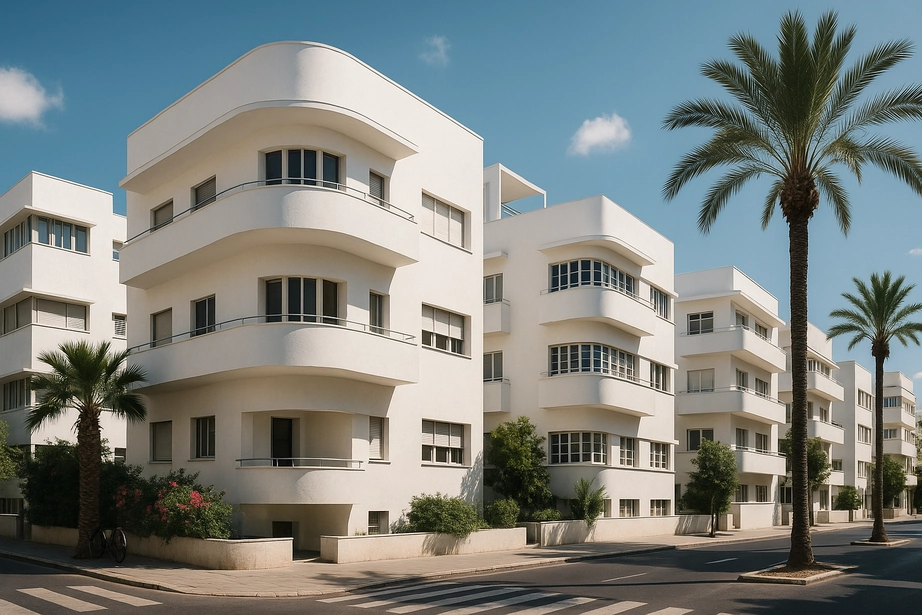
🏇 Tel Aviv’s White City: A Bauhaus Architectural Symphony Under the Mediterranean Sun At the heart of Israel’s metropolis stretches a unique urban masterpiece — the “White City”, the world’s largest open-air museum of the International Style of the 1930s–40s. More than 4,000 buildings with white facades, strict geometry, and innovative solutions form an ensemble inscribed on the UNESCO World Heritage List in 2003 as “an outstanding example of new town planning and architecture of the early 20th century.” — 🏆 The White City Phenomenon: Why UNESCO Recognized Tel Aviv A fusion of history, ideology, and innovation Historical context: The city was founded in 1909 north of Jaffa. Its architectural heyday came in the 1930s–50s, when Jewish architects fleeing Nazi Europe brought modernist ideas with them. Key names include Arieh Sharon, Zeev Rechter, and Yosef Neufeld. Urban-planning genius: The 1929 plan by the Scotsman Sir Patrick Geddes laid the groundwork for an “organic city” with green boulevards oriented toward the sea and neighborhood “communities.” Adaptation to climate: European functionalism transformed under the blazing sun: • Ribbon windows → deep balconies and loggias for shade; • Flat roofs → terraces for evening leisure; • Light facades → heat reflection; • Pilotis/columns → breezy, ventilated ground floors. “Bauhaus architecture here is a physical expression of Zionism — an attempt to build a new society.” — 🚶‍♂️ A Walk Among Icons: From Rothschild Boulevard to the ‘Ships’ A route through must-see examples of the style 🔹 Rothschild Boulevard — the Bauhaus ‘showcase’ Brown–Rabinsohn House (No. 82): Designed by the father-and-son Berlin team (1932). Clean lines, a “thermometer” stairwell window, and sliding louver shutters. Building at the corner of Shaul HaMelech: A classic of “ship” aesthetics with rounded deck-like balconies. 🔹 Dizengoff Square — the heart of modernism Esther Cinema (now the Cinema Hotel): A masterpiece by Genia Averbuch (1938), where pristine white forms pair with neon signage. Dizengoff House: Where Ben-Gurion proclaimed Israel’s independence in 1948. Today it’s the Independence Hall Museum. 🔹 1 Montefiore Street The “Ship House” by Itzhak (Isaac) Schwartz (1920s). A triangular prow-like facade and emphatic horizontal lines convey motion. — ⚖️ Preservation vs. Development: How the City Protects Its Heritage Between restoration and modernization Bauhaus Center: Founded in 2000. Organizes tours, exhibitions, and publishes books on the modernist legacy. Restoration challenges: About 80% of buildings are privately owned. Facade restoration can take 8–10 years and depends on owners. A success story is the Reisfeld House (96 HaYarkon St.), where glass levels were added to the historic volume. German–Israeli cooperation: Since 2015, Germany has invested about €2.8 million in restoration, including a center in the Max Liebling House. New landmarks: Skyscrapers rise near the White City (Azrieli Sarona), while in the Sarona district the business center stands alongside restored 19th-century Templar houses. — 💡 Why It’s Fascinating for Every Traveler Not just for architects! Retro-futurist aesthetics: Buildings look like a 1930s film set yet remain lived-in. Atmospheric details: Light playing across rhythmic facades, pergola shadows on rooftops, cafés at street level. Pedestrian scale: Streets are made for walking. Shaded Rothschild Boulevard is ideal for leisurely viewing. Bridging eras: From the socialist ideals of the 1930s to today’s “city that never sleeps.” — ✨ Conclusion: Tel Aviv as a Museum of Frozen Music The “White City” isn’t a frozen monument but a living organism — laundry on balconies, sunset wine on flat roofs. It’s a symphony of concrete and light, where every detail reminds you: modernism wasn’t merely copied here — it was brilliantly reimagined. For Israel, these houses became a manifesto of new identity; for the world, a lesson in adapting the avant-garde to place and time. — 🔍 Want to See the Legendary Bauhaus? 📅 Shato Tours offers tailor-made tours with architects: A map of “100 Buildings of the White City” Visits to restored interiors Stories of families who lived in these “modernist icons” “Architecture is frozen music in space” (Friedrich Schelling). In Tel Aviv, it resonates with exceptional power.

Tel-Aviv

Old Jaffa

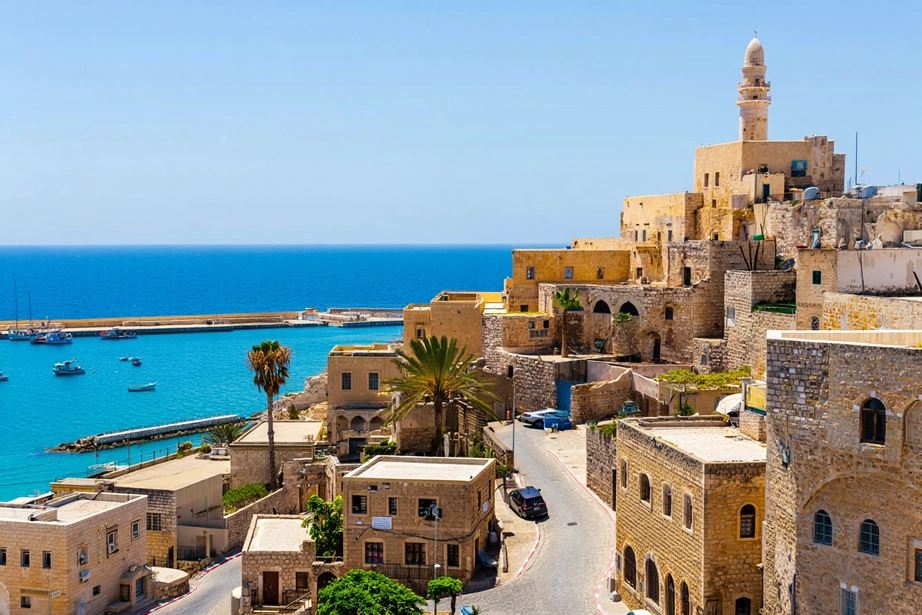
A Bridge Through Millennia: Why Old Jaffa Is the Heart of Historic Tel Aviv For a traveler stepping for the first time onto the cobblestone lanes of Old Jaffa, it feels like time travel. This ancient port, now part of Tel Aviv, is not just a landmark. It’s a living symbol of historical continuity, a place where the breath of antiquity mingles with the energy of contemporary art and Eastern color. Shato Tours invites you on a journey across millennia, where every stone tells a legend. ⚓ Legends Carved in Stone: From Pharaohs to Napoleon Jaffa is one of the world’s oldest continuously inhabited port cities. Its story began long before biblical times: Depth of ages: Archaeological finds confirm the city’s existence as early as the 15th century BCE, when it was mentioned in the Egyptian chronicles of Pharaoh Thutmose III as “Yu-pa.” Legend has it the Egyptians captured it by trickery, hiding soldiers in “gifts” baskets. Biblical pages: It was from Jaffa’s harbor that the prophet Jonah set out on his fateful voyage, trying to flee God’s will (Book of Jonah). Here, too, King Solomon received Lebanese cedar for building the First Temple. Ancient myths: The rocks off Jaffa’s shore are linked to the myth of Perseus and Andromeda. Beautiful Andromeda was chained here as a sacrifice to a sea monster until Perseus freed her — Josephus wrote about it. Gateway to the Holy Land: For centuries Jaffa was the main maritime gateway for pilgrims heading to Jerusalem. Millions of believers first set foot on the Holy Land through its port. Conquerors and heroes: The city saw the armies of Richard the Lionheart (1099) and Napoleon Bonaparte (1799), who stormed its walls. Traces of Napoleon’s campaign can be followed on a special route. 💡 Shato Tours Fun Fact: The name “Jaffa” is linked either to Noah’s son Japheth, who, according to legend, rebuilt the city after the Flood (some say Noah built the ark in these parts), or to the Hebrew word yafè — “beautiful.” The Old City’s main street bears the name Yefet. 🚶‍♂️ A Walk Through the Ages: Old Jaffa’s Key Treasures Today, Old Jaffa is a maze of charming lanes where every turn reveals a new page of history or a work of art: Jaffa Clock Tower (1902): This majestic city symbol is one of seven towers the Ottoman Turks built in Palestine for the 30th anniversary of Sultan Abdülhamid II’s reign. Its facade is adorned with reliefs telling Jaffa’s story — from ships laden with Lebanese cedar to Simeon the Maccabee. It’s the perfect starting point. Abrasha Park Hill & the “Gate of Faith”: From the hilltop you get a sweeping panorama of Tel Aviv and the sea. Here stands the monumental “Gate of Faith” — a white-stone sculpture depicting biblical scenes: the Binding of Isaac, Jacob’s Dream, and the Taking of Jericho. A powerful symbol of the Jewish people’s bond with their land. The Suspended Orange Tree: One of the most photographed and enigmatic sights. A tree sculpture in a tub hanging between walls — a symbol of longing for the famed Jaffa orange groves that once brought the city prosperity. Another reading: a metaphor for the Jewish people flourishing far from their roots. Fun note: Jaffa oranges shipped to the USSR inspired Eduard Uspensky’s Cheburashka, who “arrived in a crate of oranges.” Zodiac Quarter (Mazalot): Getting lost here is half the joy! Streets are named after the zodiac signs and marked with matching symbols on walls and tiles. Touching your sign is said to bring luck and make wishes come true. The quarter continues onto the “Wishing Bridge” with brass zodiac signs on the railing (don’t touch at noon — the metal gets hot!). The Ancient Port: The heart of old Jaffa, operating for some 4,000 years. Today fishing boats and leisure craft moor here. Stroll the old piers, breathe the salty air, imagine Phoenician ships and Crusader galleys. You can also embark on a boat trip along the coast. Nearby lie the Andromeda rocks. Flea Market (Shuk HaPishpeshim): Not just a market but a cultural phenomenon and a magnet for treasure hunters. The atmosphere is that of a bustling Eastern bazaar where you can find everything — from antique furniture and old coins to vintage clothing, lamps, and quirky curios. The market’s authentic spirit is strongest in the morning, while evenings transform it as trendy bars and restaurants open in restored buildings and on pedestrianized lanes. 🎨 The Ancient City’s Modern Pulse: Art, Flavors & Atmosphere Old Jaffa is no frozen museum. It’s a dynamic creative space where past and present harmoniously intertwine: Artists’ Realm: The Old City’s lanes are a vast open-air gallery. Dozens of studios and galleries of sculptors, painters, jewelers, and artisans are found here. A must-see is the unusual Ilana Goor Museum in a historic building where the artist lived and worked — both interior and exhibits (her works and a collection of artifacts from around the world) are stunning. Also worth a look: the Farkash Gallery (historical posters) and Frank Meisler’s Sculpture Salon (bronze figures of famous personalities). A Gastronomic Journey: Jaffa is a foodie haven, especially for lovers of Arab and Mediterranean cuisine. The legendary Aboulafia bakery by the Clock Tower, open almost around the clock, lures with the aroma of fresh bread and Arabic sweets. Dr. Shakshouka is an iconic spot serving pitch-perfect shakshuka (eggs in tomato sauce) in the ambiance of an old house. In the evening, dive into the vibe of seafood restaurants at the port (like the famous Old Man & The Sea, where a dozen mezze arrive on the house) or the stylish cafés and pubs around the Flea Market. A Night in History: Jaffa’s feel changes dramatically after dark. Boutique hotels in restored buildings (for example, Market House in a 19th-century structure, or the luxurious The Setai in the former Ottoman jail by the Clock Tower) let you fully immerse yourself. Soft lighting on ancient stones, restaurant lights, and

Tel-Aviv

Each of the 13 Blue Flag beaches has its own character and infrastructure

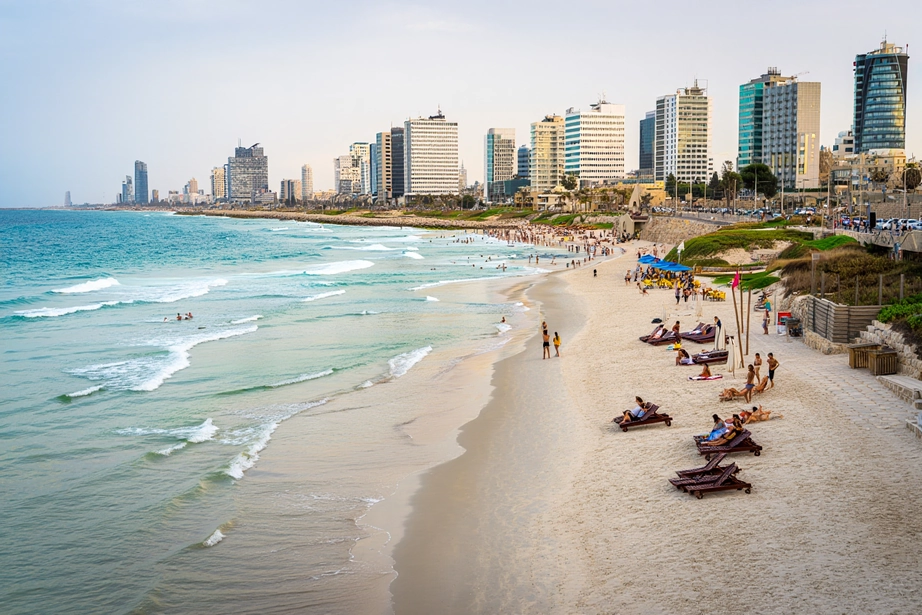
  Each of the 13 Blue Flag beaches has its own character and infrastructure. Choose by your interests: Area Beach Name 🌟 Tourist Highlights Center Gordon Sports hub! Volleyball, tennis, fitness zone. Popular with active young crowds.   Frishman The most touristy! Close to hotels (Dan, Carlton), lots of cafés, lively vibe.   Bograshov Perfect for families. Calm water, well-developed facilities, play areas. North Metzitzim Historic (one of the first), a surfers’ haven, right by the park.   Tel Baruch Quiet and long. Great promenade zone for extended walks.   HaTzuk (North) Spacious, excellent infrastructure for families with kids, playgrounds.   HaTzuk (South) A continuation of the northern section, keeping the same family-friendly feel and facilities. South / Jaffa Charles Clore Incredible views of Old Jaffa’s port! Close to the flea market and art galleries. A cultural mix.   Givat Aliya (Alma) Peaceful, less crowded. Panoramic views. A local favorite. LGBTQ+ Friendly Hilton (North) Traditionally popular with the LGBTQ+ community. An atmosphere of tolerance, openness, and fun. ✨ How the Blue Flag Improves Your Stay: Real Advantages for Travelers Flying the blue pennant isn’t just for show. Here’s what it actually gives you as a guest of Tel Aviv: ✅ Safety & Cleanliness Guaranteed: You can be confident in: The quality of bathing water (constant monitoring). The cleanliness of the shoreline (regular cleaning). The presence of a professional lifeguard service (around the clock in season). ♿ Comfort & Accessibility for All: Standards ensure the beach is for everyone: People with reduced mobility, senior travelers, and families with strollers get full access (special pathways, bathing equipment, adapted restrooms). 🌱 Easy, Eco-Friendly Leisure: You can relax while caring for the planet: Restrictions on single-use plastics encourage reusables. Recycling on the beach becomes a simple, convenient habit. Info materials explain the local ecosystem. 🧠 Growing Environmental Awareness: Learn more about the Mediterranean, its wildlife, and how your holiday can be sustainable thanks to educational stands and initiatives. 🛎️ Confidence in Your Choice: “Blue Flag” is an internationally recognized quality mark. Seeing it, you instantly know the beach meets the highest standards of safety, cleanliness, and management — a key signal when choosing where to spend the day, especially in a new city. ⚠️ Challenges & What’s Next Despite the excellent results, some tasks remain: Maintaining spotless cleanliness at peak season (July–August). Ensuring eco-rules (especially the plastics ban) are followed by all visitors. Adapting to climate change (heat waves, stronger storms). The municipality is actively on it: rolling out smart systems to monitor crowding and water quality, increasing eco-inspector patrols, and developing new adaptation programs. 💎 Conclusion: A Quality Mark That Transforms Your Beach Day The thirteenth consecutive awarding of the Blue Flag to all 13 Tel Aviv beaches for 2025 is more than a trophy — it’s proof of a systematic commitment to sustainable coastal management. For you as a traveler, it means: Unprecedented environmental safety of both water and sand. Genuine inclusivity and accessibility of beach infrastructure. Confidence that standards meet the strictest international benchmarks. Easy ways to help protect the environment simply by relaxing. Tel Aviv doesn’t just take pride in its beaches — it sets a high bar for resorts worldwide. Here, the Blue Flag is not merely a symbol but a guarantee of quality, safety, and responsible recreation on the Mediterranean shore, where care for nature blends seamlessly with guest comfort and pleasure. Come see for yourself — the Blue Flag standard is felt in every detail of your perfect beach day in Tel Aviv!  

Tel-Aviv

The city has set an impressive environmental record!

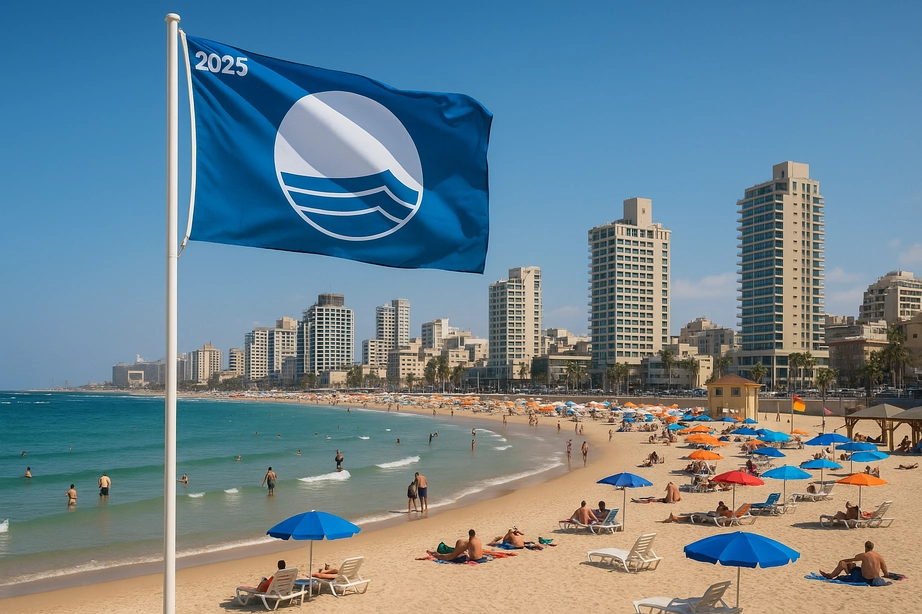
The city has set an impressive environmental record! All 13 municipal beaches of Tel Aviv have received the prestigious international Blue Flag award for 2025 — for the thirteenth year in a row. This isn’t a mere formality – it’s a mark of top-tier quality, safety, and environmental responsibility that directly enhances your beach experience. Let’s unpack what stands behind this symbol and how it changes a day at the beach. 🏆 Blue Flag: More Than Just a Pennant Awarded by the international Foundation for Environmental Education (FEE), the Blue Flag is a guarantee of compliance with 37 stringent criteria across four key pillars: 🌊 Water & Ecology: Impeccable quality of seawater and sand (regular monitoring), no industrial discharges, protection of coastal ecosystems. 🛟 Safety: Qualified lifeguards on duty, equipped first-aid stations, clear emergency action plans, safe bathing conditions. ♿ Accessibility: Dedicated infrastructure for people with disabilities (ramps, amphibious beach wheelchairs, adapted showers and restrooms). 📚 Eco-education & Management: Information on local flora and fauna, beach rules, waste management, and overarching environmental policy. Important: The award is granted annually. That means Tel Aviv’s beaches haven’t just passed a one-time inspection — they continuously maintain and improve their standards under close international oversight. 🔄 What’s New with the 2025 Award? A Focus on Sustainability Securing the Blue Flag in 2025 is the result of proactive steps by the city and beach operators. Key updates and enhancements include: 🚫 Stronger action on plastics:— The ban on single-use plastic bags and tableware in bathing zones is enforced more strictly.— More signage reminds visitors of the ban.— Alternatives promoted: water refill stations for reusable bottles; biodegradable tableware in beach cafés. 🔬 Enhanced environmental monitoring:— Increased frequency of water and sand sampling for lab analysis, ensuring consistent cleanliness.— Test results are promptly published on official city channels and in mobile apps to keep visitors informed. ♻️ Upgraded sustainability infrastructure:— Additional separate waste bins installed (plastics, paper, general waste).— Showers and restrooms modernized to significantly reduce water consumption. 📢 Eco-education scaled up:— Expanded educational programs for all ages, especially children (talks, workshops, interactive displays).— Stronger partnerships with environmental organizations (e.g., EcoOcean) for joint projects.

© 2002-2025 Created with Love by Eilat.Online

Shato Tours Mobile Dock